A patient needs treatment. You order it. The insurer demands more paperwork. Time goes by and the patient gives up. That is the quiet price of prior authorization delays, and new survey data suggests it is higher than we thought. Electronic prior authorization rules take effect on January 1, 2027, so there is some hope the process will finally speed up. Still, faster paperwork does not always mean better access to care. The question for physicians is simple. Will these reforms make it easier for patients to get the treatment we prescribe?
According to a national survey of 500 U.S. adults released on November 12, 2026 by Penguin Ai, 62% of people who faced a prior authorization delay, denial or medication restriction gave up on care. Across all respondents, 62% waited four days or more for a decision, 36% paid out of pocket, 21% skipped care altogether and 17% went to an emergency room or urgent care center instead. About 70% spent at least an hour on the phone and on paperwork with their insurer.
The survey was commissioned by a company that sells prior authorization software, so that is worth keeping in mind. Even so, the stories behind these figures will ring true to any clinician.
Imagine a patient with back pain that just is not improving who needs an MRI. The order goes in and the authorization sits pending. The patient calls your office twice and the insurer three times, gets frustrated and cancels the appointment. The medical decision was made. The plan was in place. The care never happened.
The AMA physician survey released in May 2026 tells the same story from our side of the desk. Of the physicians surveyed, 95% said prior authorization delays access to care and 92% said it hurts patient outcomes. Worst of all, 26% said it led to an adverse event for a patient. These are physician reports rather than measured outcomes, but they match what many of us see every week.
Prior authorization is described as utilization management. In real clinical life it often becomes one more barrier between clinical judgment and treatment. The physician administrative burden means documentation, chasing decisions and explaining delays to patients who just want to get better. For patients the cost is more personal. They lose work time to phone calls, struggle to pay for treatment and slowly stop trusting that the system will help them.
The CMS prior authorization rule has been phased in gradually. Since January 1, 2026, Medicare Advantage, Medicaid, CHIP and federal exchange plans have had to decide urgent requests within 72 hours and standard requests within seven calendar days. They also have to give a specific reason when they deny a request.
The next step comes on January 1, 2027. These plans must support electronic prior authorization through a FHIR based Prior Authorization API. Put simply, this sets up a standard electronic channel between your EHR and the payer. Compatible systems should be able to share requests and decisions directly instead of forcing staff through separate portals, faxes and phone calls.
That could mean smoother submissions and a clearer view of where each request stands. But a required API does not promise a seamless workflow in every practice. A lot depends on how well insurers, EHR vendors and health systems actually connect.
Sending requests through one standard electronic channel could remove a lot of repetitive work. A practice that logs into six insurer websites today might one day handle most of that inside its own clinical software. That would be a real accomplishment.
Technology alone is not the answer, though. An insurer can still deny medically appropriate treatment. A request can still come back asking for more documentation. A faster denial is still a denial.
Automation also raises fair questions. In the Penguin Ai survey, 49% of respondents said they support AI in prior authorization only with human oversight. That is a good instinct. AI can help collect records or spot missing documents. Decisions about medical necessity still need accountability and a clear path to human review. Physicians should know why a request was denied and be able to reach a real clinician on the other side.
The smart move is to start now. A few questions are worth asking before January:
Has your EHR vendor confirmed support for the Prior Authorization API and how it will show up in daily workflow?
Which requests still depend on separate insurer portals or faxes?
Who tracks pending requests and who calls the patient when more information is needed?
How does your team escalate an urgent request that is stalling?
Training is as important as software. Front desk staff, nurses and physicians need one shared process for documenting submissions and communicating denials. A submitted request is not the same as a decision that reaches the treating clinician.
Organizations that want to go further have another option. In November 2026, ONC and CMS invited payers, providers and health IT developers to join 10 to 12 week testing events for electronic prior authorization, with registration due November 20. Think of this transition as both a technology project and a patient safety project.
A patient's health cannot wait for the software to catch up. Think about a patient with heart failure whose new medication needs approval. The prescription is right but the pharmacy cannot fill it today. After a few confusing messages from the plan the patient starts to wonder whether the medication is worth the trouble.
A proactive practice changes that story. Staff can explain where the request stands, name the next step and schedule a follow up call when a decision comes in. When appropriate, physicians can discuss alternative treatment while the request is pending and escalate clearly when a delay becomes unsafe. Patients also need to hear that an insurance delay does not mean their doctor thinks the treatment is unnecessary.
Communication will not remove insurance barriers. It can keep confusion from becoming one more reason patients walk away.
The 2027 requirements are a genuine attempt to fix a process that has frustrated physicians and patients for years. Digital workflows could reduce paperwork. Clear deadlines and specific denial reasons can add accountability. But success should not be judged only by how fast insurers process requests. It should be judged by whether fewer patients give up on care.
Electronic prior authorization should support clinical judgment, not become a more sophisticated barrier to it. Physicians are well placed to show where these changes work and where the obstacles remain.
How have prior authorization delays affected your patients? Is your practice ready for the 2027 electronic requirements? Share your experience and practical fixes with colleagues in the MedSocially community.
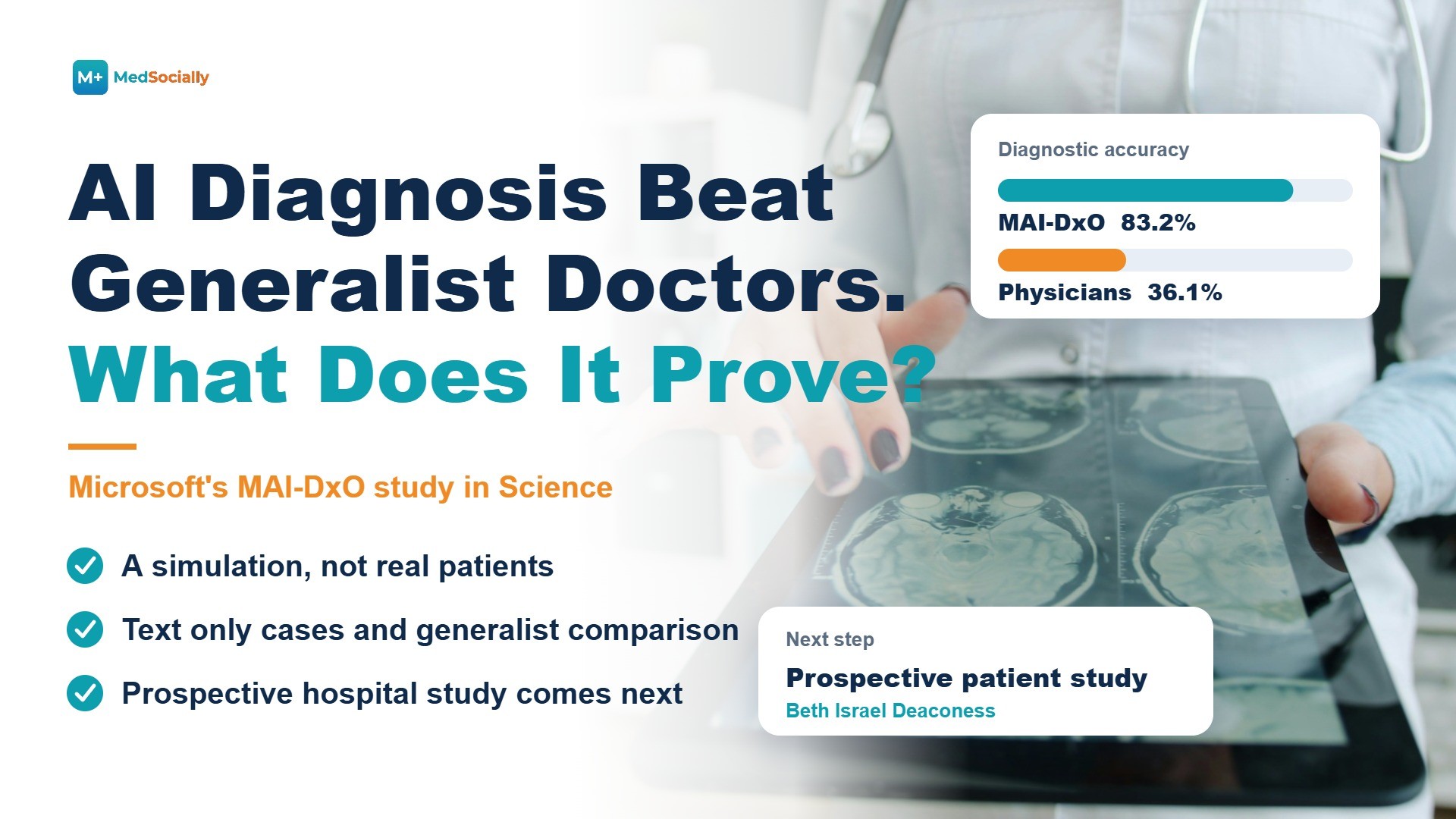
Every doctor should take note of the results of Microsoft's diagnostic AI. In a study published in Science, the system outperformed generalist physicians on difficult diagnostic ca...
Physician burnout seems to be on the decline. It is good news for a profession that has felt exhausted and stressed for years. But another trend deserves attention. Clinics are ope...
Ambient AI nursing documentation is moving from concept to clinical use. For the last several years these tools were built around physician notes. Now they are moving into inpatien...
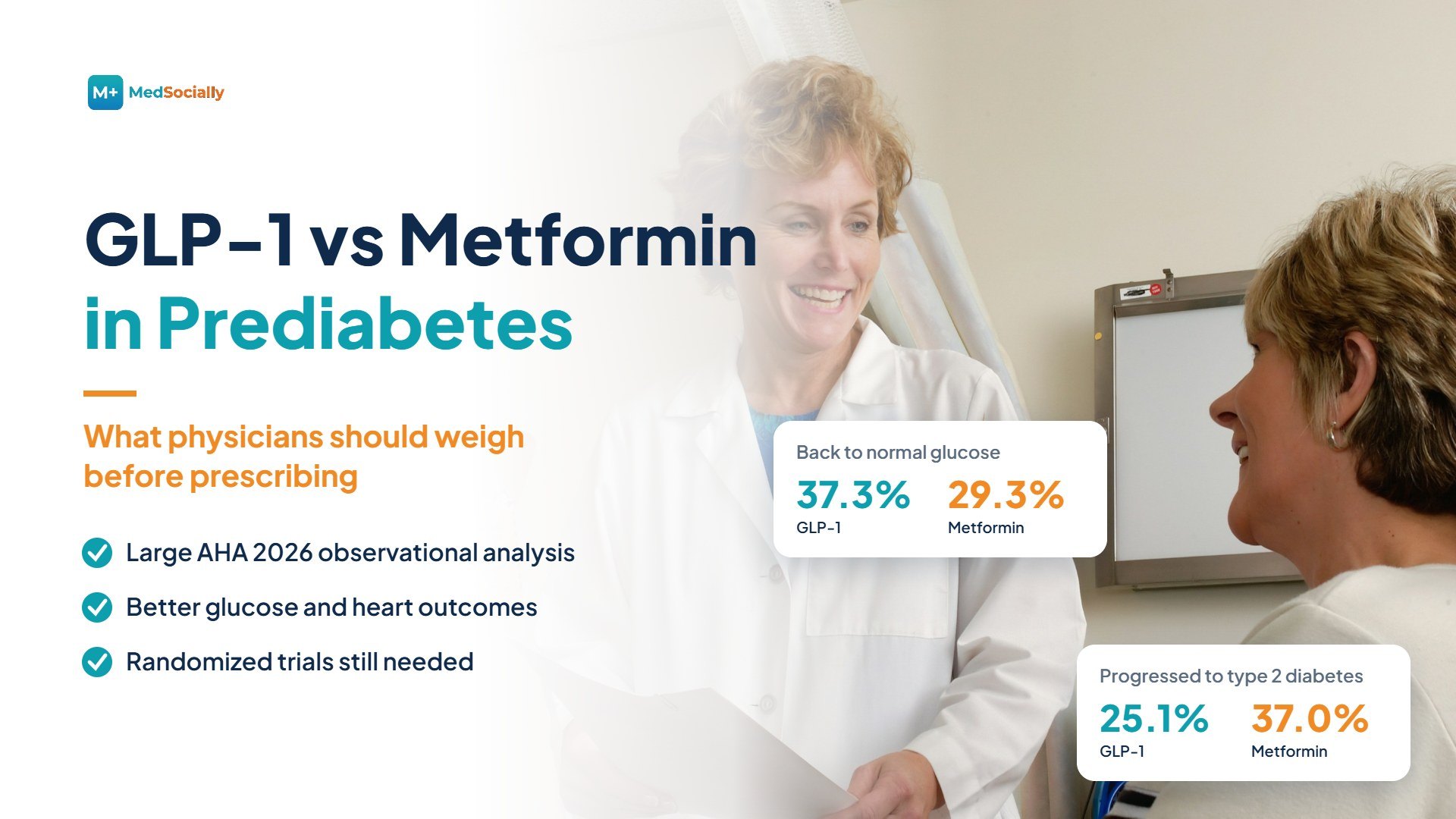
You have a patient with prediabetes in your exam room, and she asks a question you have heard more than once this year. "If these weight loss shots work so well, why am I still on ...
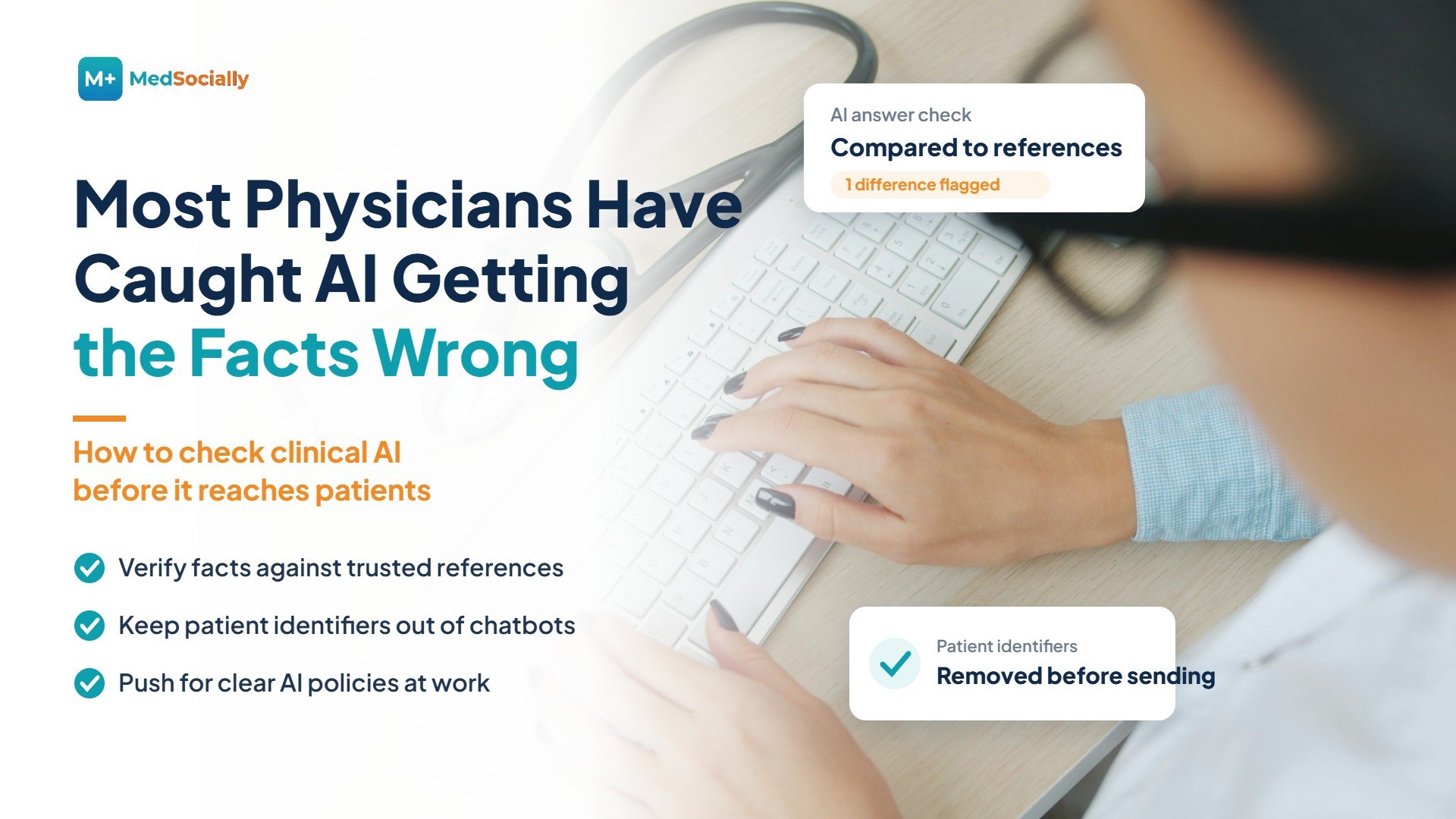
AI can write a convincing clinical explanation in seconds. Convincing does not always mean correct. As more of us bring clinical AI tools into daily practice, the question is no lo...