Physician burnout seems to be on the decline. It is good news for a profession that has felt exhausted and stressed for years. But another trend deserves attention. Clinics are operating with fewer support staff per provider while patient visits are rising. For those of us working in them, that raises a practical question. Are our working conditions genuinely improving, or are we simply getting better at absorbing the pressure? The numbers tell different stories, and both matter for physician well being.
According to American Medical Association figures cited in a MemorialCare release, physician burnout fell from 62.8 percent in 2021 to 45.2 percent in 2023. That is a positive step forward. It suggests the profession is beginning to move away from some of the unprecedented pressures of the pandemic years. But a lower burnout rate does not automatically mean physicians are working in healthier environments everywhere.
A physician can feel good about clinical work and still struggle with documentation, staffing gaps and administrative demands. The real question is whether the improvement reflects lasting changes in how organizations operate. Have clinics cut unnecessary work? Are physicians getting better operational support? Or have some of us simply adjusted our expectations of a normal workday? We need to understand what is driving the improvement before assuming it will hold.
An AMGA clinic staffing survey, reported by Forbes on November 10, 2026, found that staff per provider fell from 2.29 to 2.17 full time equivalents. The ratio had held at 2.29 for three years. Most of the loss was in clinical support and direct patient care roles. A companion AMGA productivity survey showed patient visits up 2.0 percent.
Keep some caution in mind. These figures come from one trade association survey and do not apply automatically to every practice. They also do not show that thinner clinic staffing causes burnout. The two trends were reported separately and can go in different directions. Nevertheless, the pairing is worth a closer look.
Imagine a hectic primary care clinic. A physician used to have a medical assistant who roomed patients, reconciled medications and chased referrals. Now that assistant covers more ground. The physician sees the same number of patients or more, and small tasks begin to pile up. A medication list needs correcting. A referral is unfinished. A patient calls about a missing lab order. None of it feels huge alone. Together it changes how the whole day feels.
Practice leaders are feeling the pressure as well. In an MGMA Stat poll on October 13, 2026, with 418 responses, 62 percent of practice leaders said they feel burned out, 22 percent said somewhat and 16 percent said no. That puts 84 percent at some level of burnout. In June 2018, the share answering yes was 45 percent. These responses are not directly comparable to physician surveys, since leaders and physicians carry different responsibilities. However, they point to an issue that goes beyond the exam room.
MGMA's 2026 Regulatory Burden Report found that 77 percent of practices call regulatory burden a significant factor in physician burnout. More than half had lost a physician to burnout in the past three years. And 40 percent keep at least three full time administrative staff per physician on prior authorization, denials and quality reporting. That is a lot of people hours spent on administrative burden. Administrative staff are essential, but processing paperwork does not replace a medical assistant helping a physician care for the patient in the room.
National surveys give signals. They cannot tell you what is happening in your practice. So start close to home. Has our staffing changed compared with the number of patients we see? Then look past the headcount. A clinic can have enough people on paper and still lack support during the busiest sessions.
Ask whether medical assistants, nurses, referral coordinators and front desk teams have the time and tools to do their work safely. Ask which tasks you are doing only because the right support is missing. Think of the end of a clinic day, when you find unresolved messages, refill requests and insurance forms. Some need your judgment. Others could move through a clear workflow to a trained team member. The goal is not to dodge responsibility. It is to spend physician time on work that needs a physician. Bring frontline staff into these conversations. They often spot broken processes long before leadership sees the cost.
There are signs that organizations are taking this seriously. On October 7, 2026, the AMA named 92 organizations to its Joy in Medicine list, 39 of them first time honorees. The total is now 194 across 41 states and DC. AMA data from 2024 and 2025 show that physicians in recognized organizations report a more positive professional environment and lower burnout. That does not prove recognition itself causes better outcomes. It does suggest that workplace practices matter.
On November 9, 2026, the AMA House of Delegates called moral injury a distinct and significant threat to physician well being. Its position favored system reform over relying on individual coping alone. That distinction matters. A physician facing unsafe expectations or constant operational obstacles may not need another resilience seminar. Sometimes the organization needs to change how the work gets done.
Peer support counts. Start by making it easier to talk about workplace problems. A colleague who seems unusually frustrated may be dealing with the same workflow issues as everyone else, so ask what is making the job harder instead of writing it off as stress. Listen to nurses, medical assistants and administrative staff too, since they carry their own workload pressure. When several people raise the same problem, such as delayed referrals or excess documentation, a shared proposal carries more weight. Peer support should complement organizational accountability, not replace it.
The drop in physician burnout is encouraging. At the same time, reports of thinner staffing and rising visits raise fair questions about whether the gains will last. These are separate findings and not proof of cause and effect. The task for organizations is to keep improving physician well being while making sure clinical teams have the support they need. Physicians should help make those decisions. What is happening in your practice? Are staffing levels improving, holding steady or getting harder? Share what your clinic does well and what needs to change with colleagues in the MedSocially community.
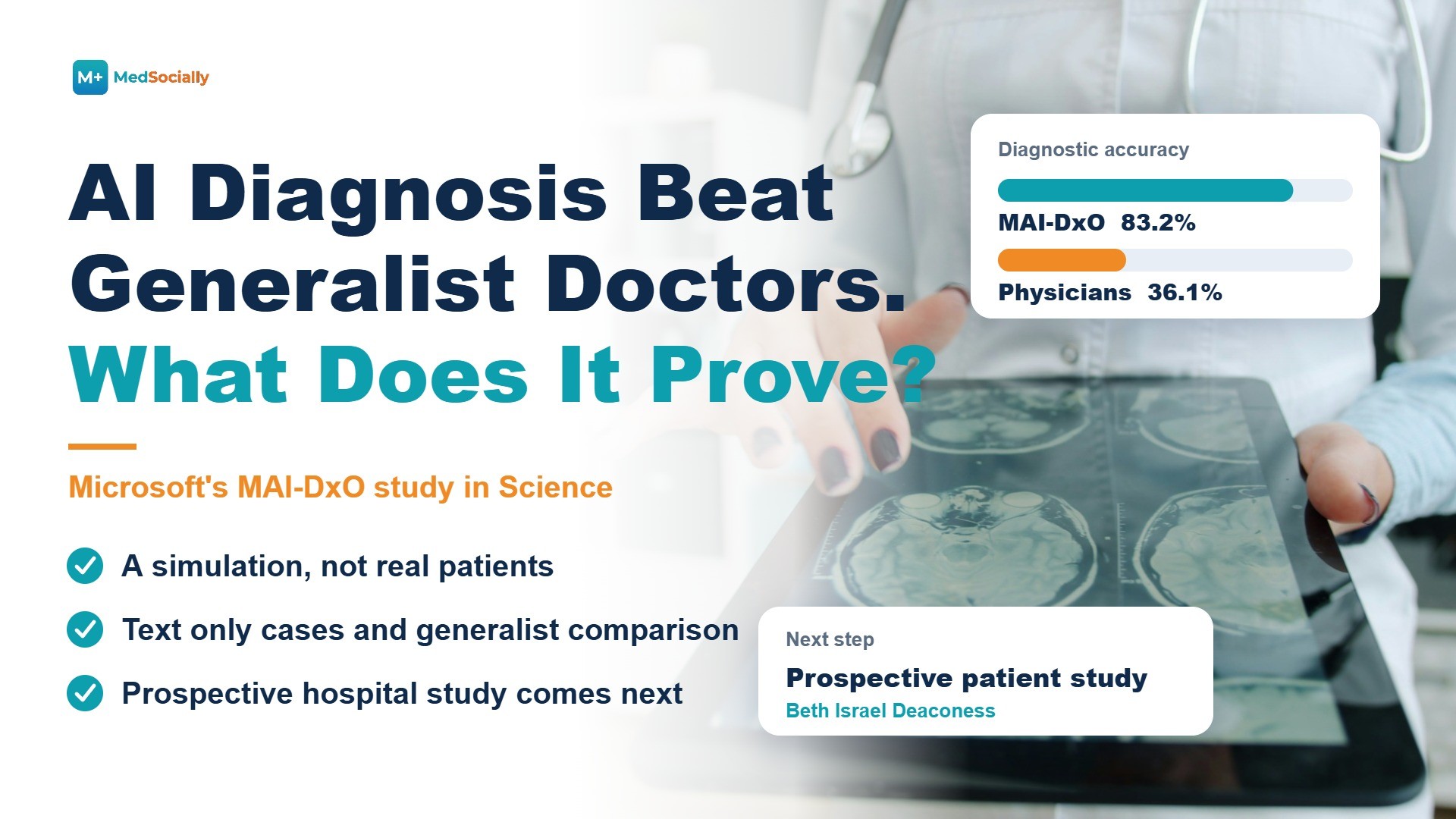
Every doctor should take note of the results of Microsoft's diagnostic AI. In a study published in Science, the system outperformed generalist physicians on difficult diagnostic ca...
Ambient AI nursing documentation is moving from concept to clinical use. For the last several years these tools were built around physician notes. Now they are moving into inpatien...
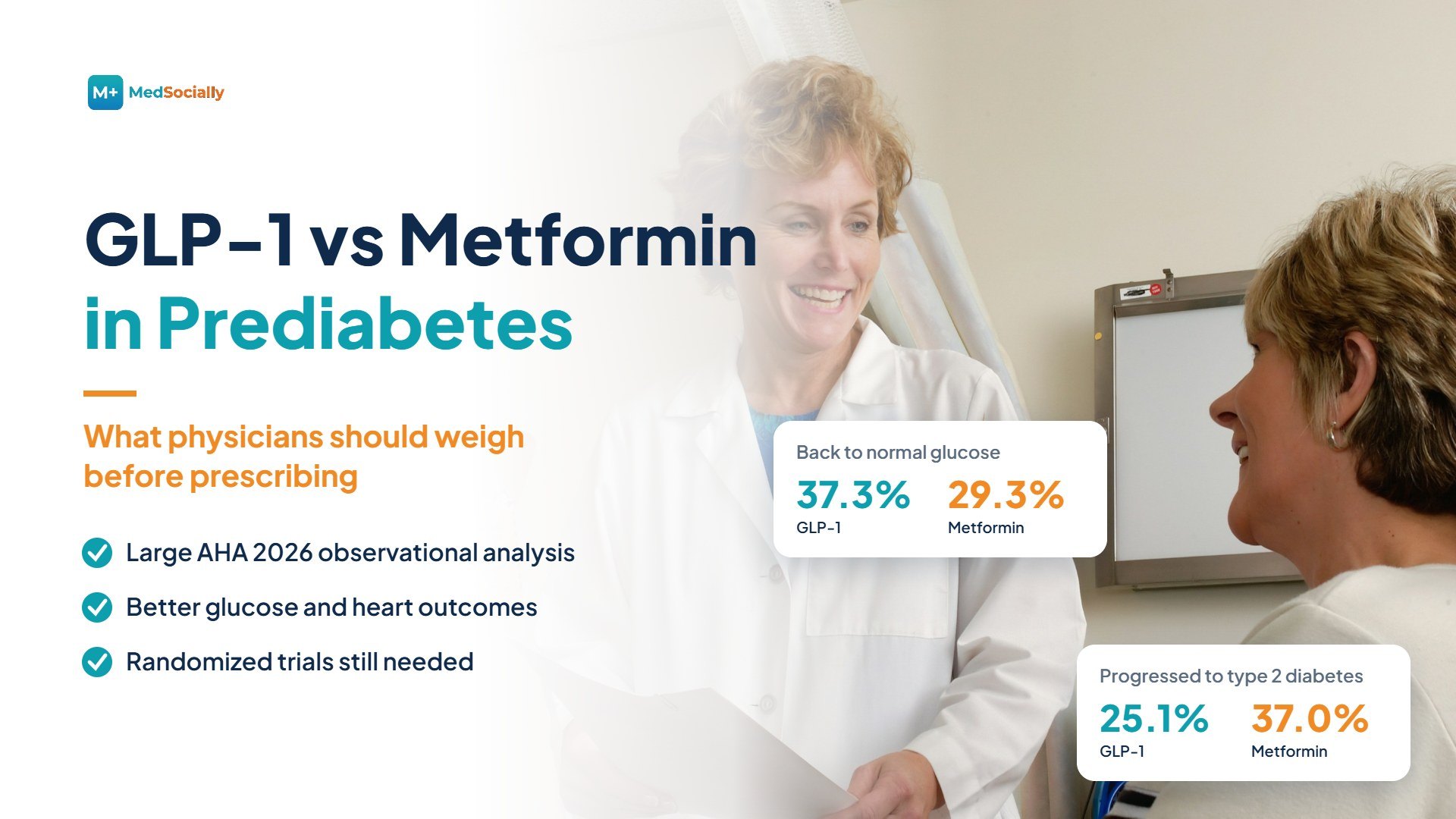
You have a patient with prediabetes in your exam room, and she asks a question you have heard more than once this year. "If these weight loss shots work so well, why am I still on ...
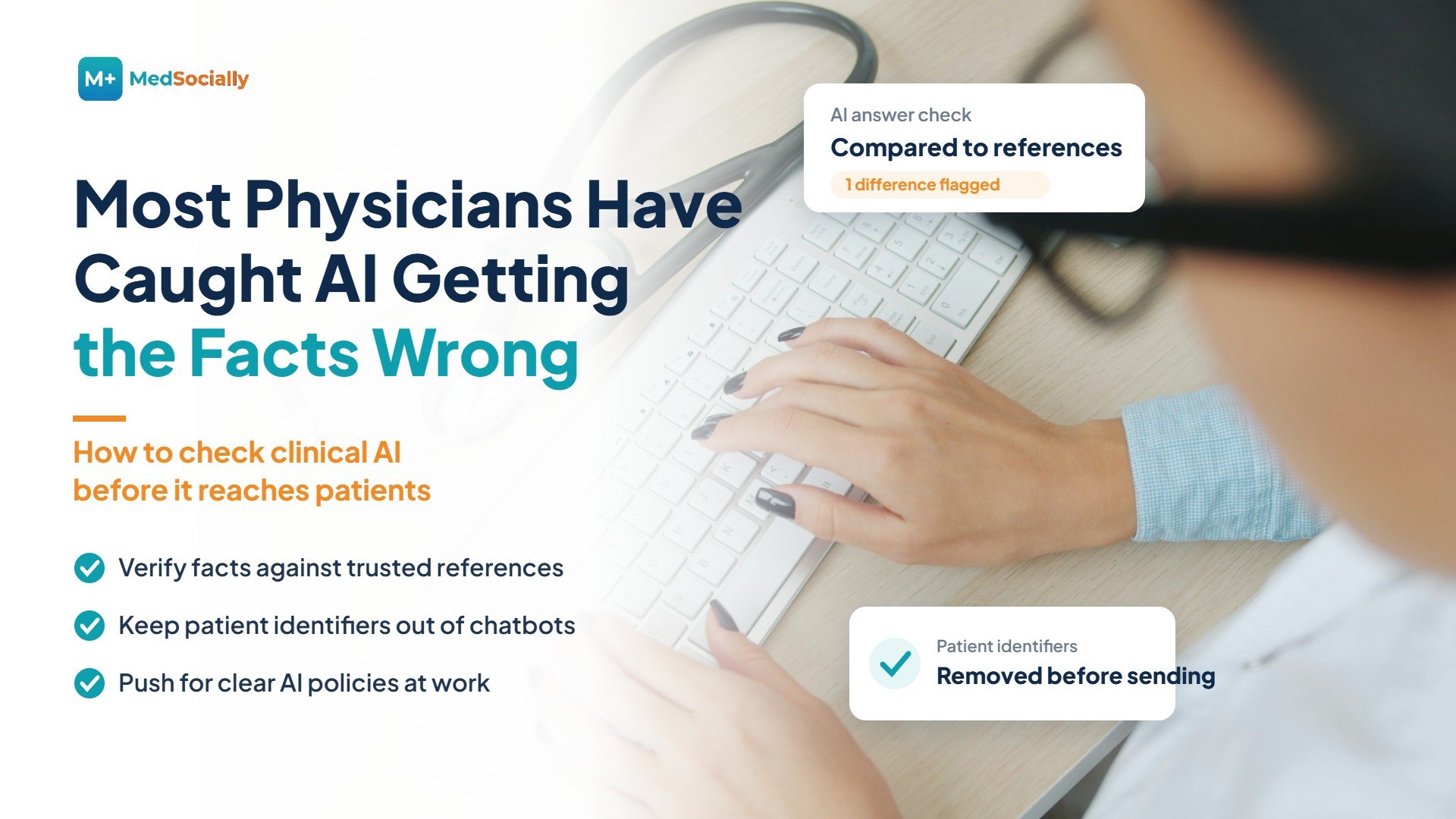
AI can write a convincing clinical explanation in seconds. Convincing does not always mean correct. As more of us bring clinical AI tools into daily practice, the question is no lo...
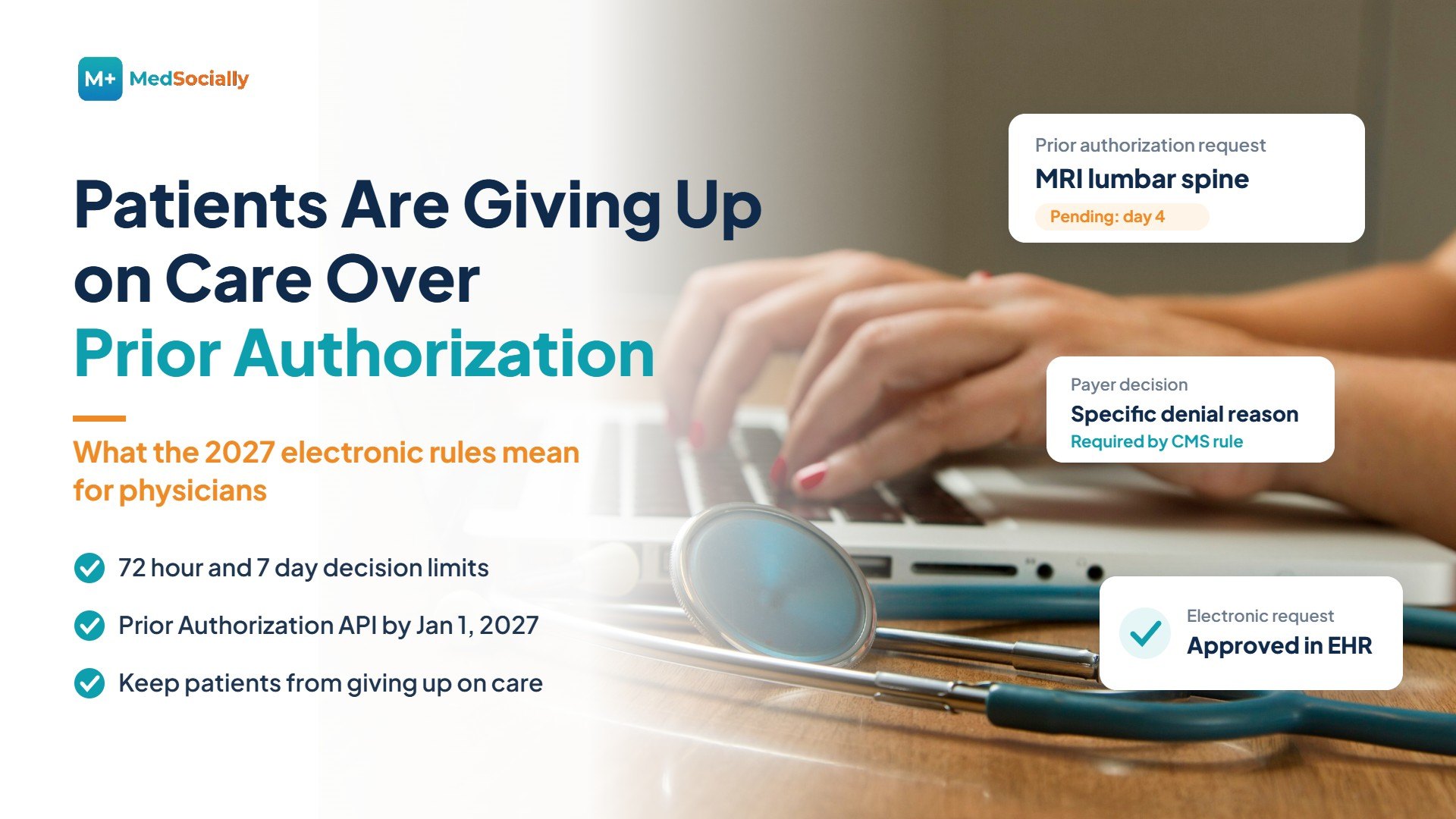
A patient needs treatment. You order it. The insurer demands more paperwork. Time goes by and the patient gives up. That is the quiet price of prior authorization delays, and new s...