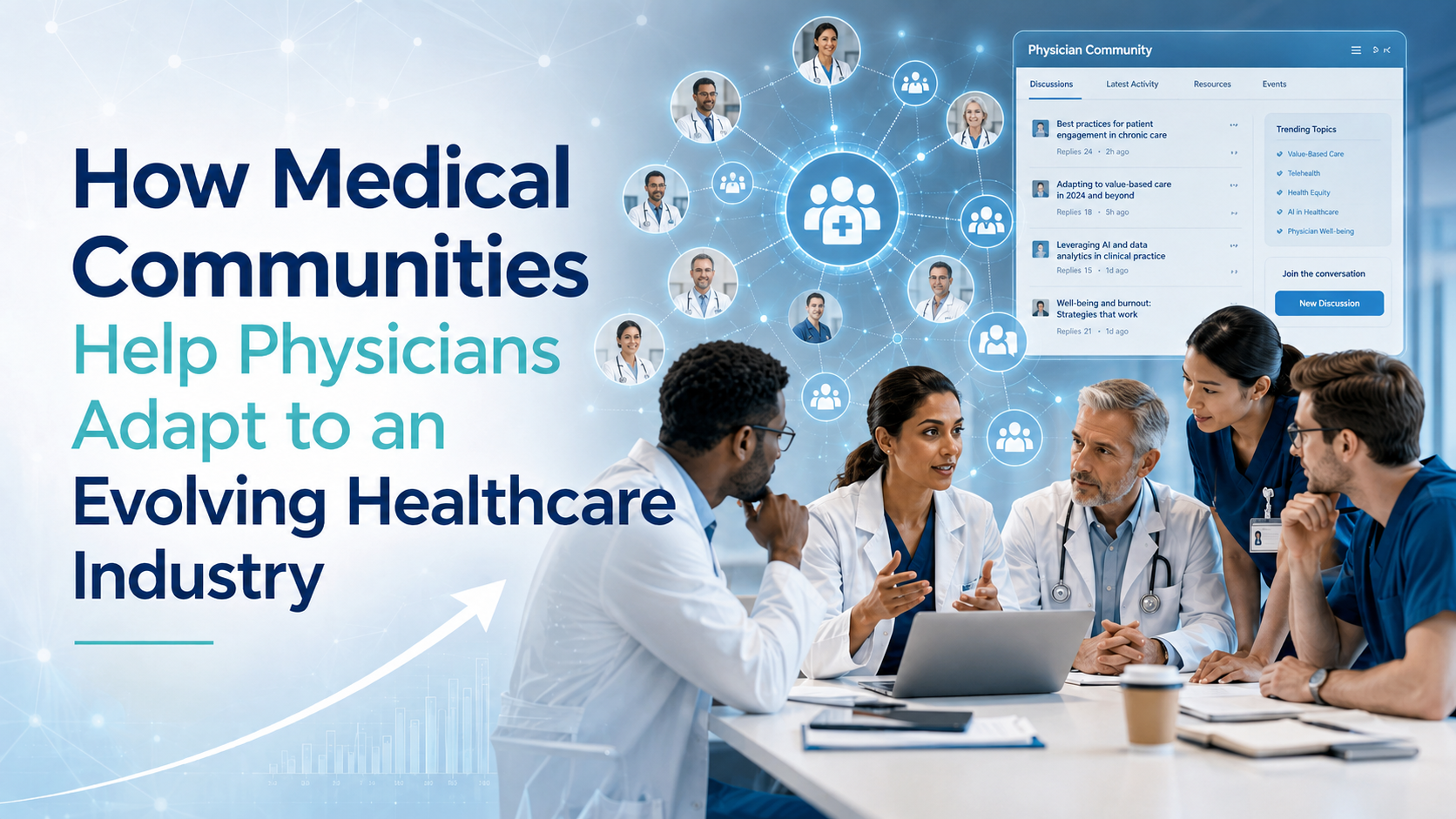
Healthcare communication doesn't just occur in the clinic, hospital, medical conference, or the academic journal. It's ubiquitous on social media, podcasts, video platforms, newsletters and online groups. Physician Influencers are at the heart of this change – physicians who engage through digital channels to educate, interpret research, discuss healthcare issues, and drive public and professional dialogue.
Some doctors are still uneasy with the term ‘influencer'. It is easy to see that there are differences between the two, with medicine being based on evidence, trust, professionalism, responsibility, and influencer culture being more about being popular, branding, or entertaining. But those worlds are already beginning to converge. Doctors are turning into public health educators, health communicators, advocates, founders, and even digital thought leaders. Their scope of work can be much more than what they deal with in a regular clinical day.
This is no fad. It's a transformation in the way medical information disseminates, who is involved in healthcare discourse, and how doctors gain influence in the digital landscape.
Physician Influencers are doctors who build an online audience around medical knowledge, healthcare commentary, professional experience, public health education, innovation, or another area connected to their expertise.
Some create short videos explaining common conditions. Others break down the research, discuss health policy, talk about burnout, review new technologies, or share lessons from practice. Some speak mainly to patients; others focus on healthcare professionals.
Influence is not simply follower count. A smaller, highly engaged specialty audience may be more meaningful than a much larger passive one. Real value comes from credibility, clarity, consistency, and the ability to make complex information understandable.
Patients have always looked elsewhere for information outside the exam room. With digital media, that behavior happens a lot quicker, easier, and more public. Social media has been shown to be effective in patient education, health promotion, peer support, advocacy and communication between patient and healthcare providers.
Physician Influencers are filling that space as there is great market demand for health information that is easy to understand. An article in a scientific journal can be well written and yet be hard for the general public to understand. A clear, concise two minute explanation by a physician can communicate a complex idea in a language that is relevant and usable.
The top medical creators do not supplant clinical directives, peer-reviewed research, or patient-physician relationship. They assist listeners to grasp the significance of those things.
Patient education is one of the most valuable roles of Physician Influencers.
A physician can discuss what an A1C is, why chest pain requires immediate attention, why antibiotics are not effective in viral infections or what information is meant by a news report entitled "New cancer study. Education is a part of medicine for all times. It's just scale.
On the web, it is possible to save and share a useful post that can be discussed and revisited by thousands of people. Social media has also been examined to engage patients and for health communication.
However, the more that one reaches, the more responsibility is taken. Public medical content has no history, examination, testing or context of an individual patient encounter. Therewith responsible Physician Influencers differentiate between general education and individual medical advice.
Medical professionals are not the only ones to be affected.
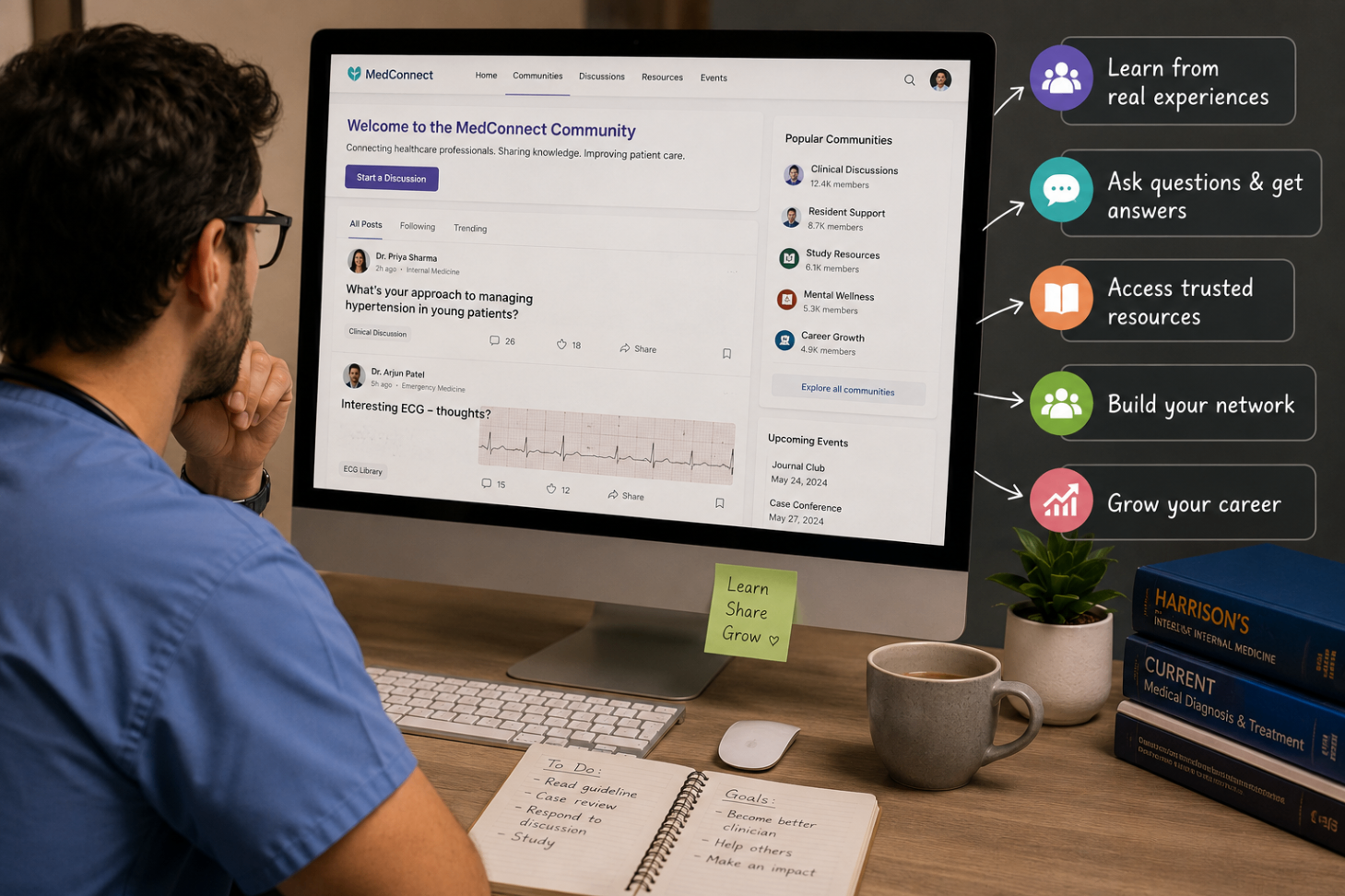
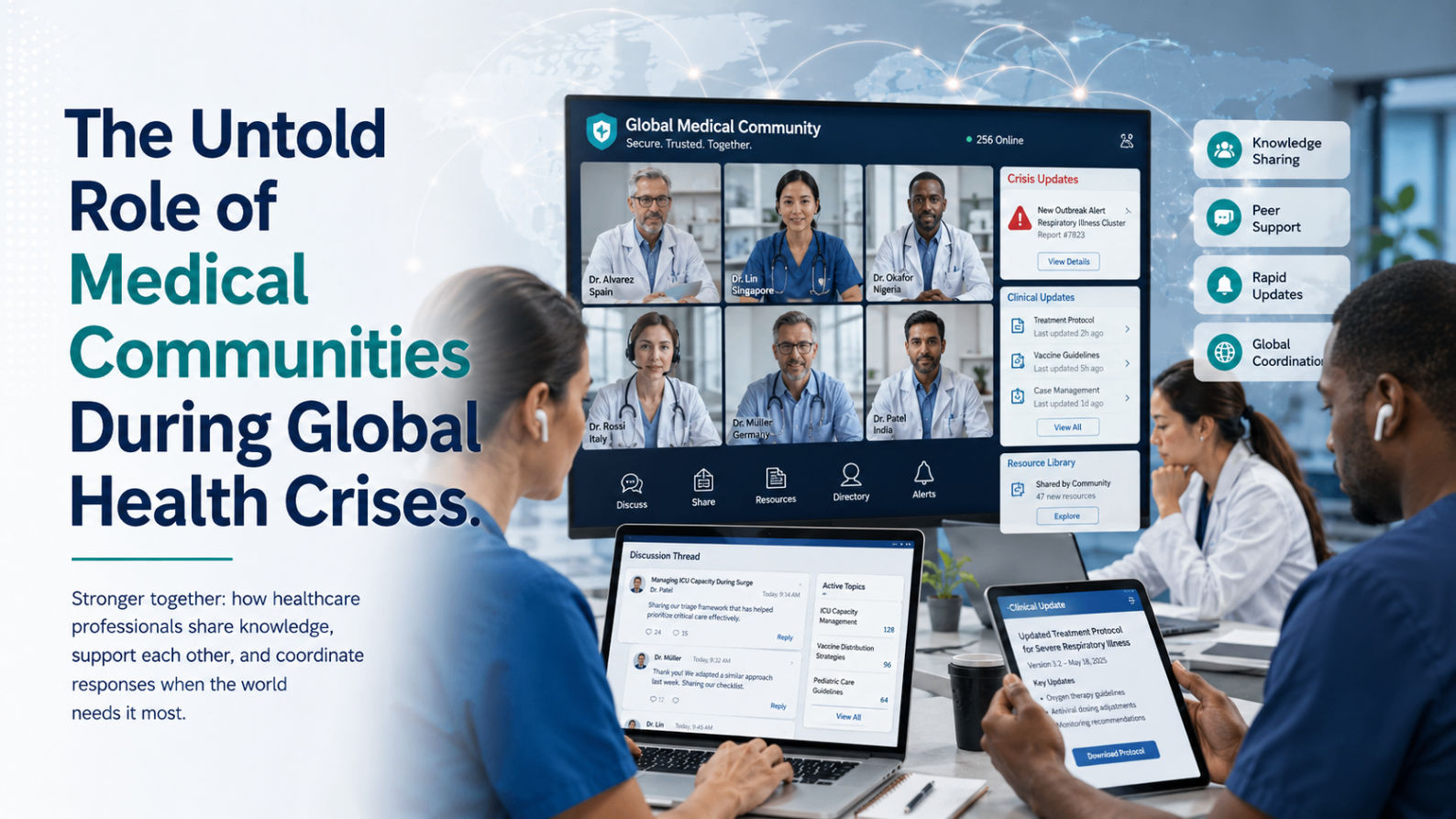
Medsocially is a digital platform that allows doctors to talk about the research, connect with ideas, find potential collaborators, discover conferences and explore healthcare innovation. Social media can be used to facilitate communication between physicians beyond the boundaries of geography and institutions.
This can break down some of the barriers that are old in medicine. A local doctor can communicate with a nationally recognized expert, and a local resident can participate with a specialist who may have been limited to conferences in a university setting.
Professional reputation can be extended through a strong digital presence that can lead to speaking engagements, research collaborations, education, and entrepreneurship and leadership opportunities.
Healthcare innovation goes hand in hand with the growth of Physician Influencers.
In the public sphere of digital health, physicians are now talking about AI, digital health, remote monitoring, clinical workflow, patient experience and new models of care. Physicians have the ability to see practical issues that the technology teams may not.
If a doctor can help to articulate those issues in public, they can link clinicians with founders, engineers, researchers, and health system leaders. This is because a tool that is impressive in a demonstration setting may not work in a busy clinic or hospital setting. There is also a practical perspective from the voices of the physicians—“Does it save time?” Improve care? Add burden? Introduce risk?
Some Physician Influencers are thus evolving into the role of being a translator between medicine and technology.
General social networks have wide reach, but are not medical-specific. Healthcare topic discussions are all against the backdrop of entertainment, politics, advertising, lifestyle and engagement-based algorithm.
That opens up the door for more specialized medical communities.
Medsocially.com is establishing itself as a premier medical community platform centered around medicine, wellness and community. It connects clinicians, researchers, founders, patients, creators, and more with its platform, which includes professional profiles, short-form educational content, discussions, communities, and events.
The health care natives platform can provide a place for Physician Influencers where medical communication becomes the primary focus and where their professional identity is not secondary. Doctors can create their own medical profiles and share clinical research and knowledge, meet other doctors who specialize in their field, and engage with communities in healthcare.
The bigger challenge is to develop a digital environment that allows for the coexistence of credibility, professional relationship, patient education, and innovation.
There is also a serious warning in the rise of Physician Influencers: a medical degree does not automatically make every online claim evidence-based.
"A 2026 JAMA Network Open study evaluated 309 medical claims from healthcare professional-created videos about cancer and diabetes. Researchers found that 62.5% were supported by very low or no evidence, while only 19.7% were backed by high-quality evidence. Videos with very low-quality evidence were also associated with more views than those supported by the strongest evidence." Reference
That should matter to every physician building an audience. A medical title, specialty, white coat, or institutional affiliation may cause viewers to assume that every statement is scientifically established. Researchers have described this as a “credibility-evidence gap,” where professional authority can lend more weight to a claim than the evidence deserves.
The answer is not for physicians to leave social media. Responsible medical voices are needed precisely because inaccurate health information can spread rapidly. The better answer is to bring evidence-based discipline into digital communication.
That means citing evidence when appropriate, clearly separating opinion from established science, acknowledging uncertainty, correcting mistakes, and avoiding exaggerated claims simply because they generate more attention.
The standards of professionalism don't go away when a doctor logs into a social media application.
The American Medical Association recommends that physicians maintain confidentiality and patients' privacy, establish proper boundaries with patients, and take into consideration the impact patient online conduct may have on patients and patient trust in their healthcare providers' professionalism.
This is particularly relevant when Physician Influencers are talking about clinical experiences. However, a case can sometimes be identified by enough information even if the name is deleted. Consent, de-identification, institutional policy and professional judgment are all important.
There are also commercial relationships that need to be transparent. With an increasing number of physician audience members, creators can be approached by health technology, pharmaceutical, device or wellness brands. Educational content should not be confused with advertising and viewers should be aware if a financial relationship exists.
Trust does not come easily and goes quickly.
The strongest Physician Influencers are not simply the loudest or most polished. They know their lane, say when something falls outside their expertise, and make medicine understandable without making it less accurate. They explain what is known, what remains uncertain, and what could change.
They also stay human. Warmth, humor, humility, and real clinical perspective can make information easier to engage with. But engagement is not the same as impact. A viral post may disappear tomorrow. Trust compounds over years.
The next generation will likely be more diverse in format and purpose. Some doctors will remain public-facing educators. Others will build niche medical communities or become founders, researchers, podcasters, authors, health system leaders, or policy voices.
AI will also make it easier to research, edit, translate, repurpose, and distribute content. That may increase physician participation in digital communication, but it will also make verification and authenticity more important.
The deeper change is that digital communication itself is becoming part of modern medical leadership.
Medical training has traditionally focused on communicating with the patient in front of you. Increasingly, physicians also need to understand how to communicate with hundreds, thousands, or even millions of people without losing accuracy, context, or professionalism.
That requires a new kind of digital bedside manner.
The rise of Physician Influencers reflects a healthcare system in which information, professional identity, patient education, and innovation increasingly live online.
At their best, physicians with digital influence make medicine easier to understand, bring credible voices into noisy online spaces, connect professionals across traditional boundaries, and help shape discussions about the future of care.
At their worst, they can amplify weak evidence, blur professional boundaries, or allow popularity to outrun scientific responsibility.
The difference is not whether a physician has a platform. It is how that platform is used.
As healthcare becomes more digital, Physician Influencers have an opportunity to become educators, connectors, advocates, and innovators. Healthcare-focused communities such as Medsocially can support that evolution by giving medical professionals a more focused place to build trusted relationships and professional influence.
The future of medical influence will not be defined only by who has the largest audience.
It will be defined by who earns the most trust.
From the very beginning of medicine, it has been a community enterprise. The formal learning of young doctors long before the advent of digital platforms was through rounds, con...
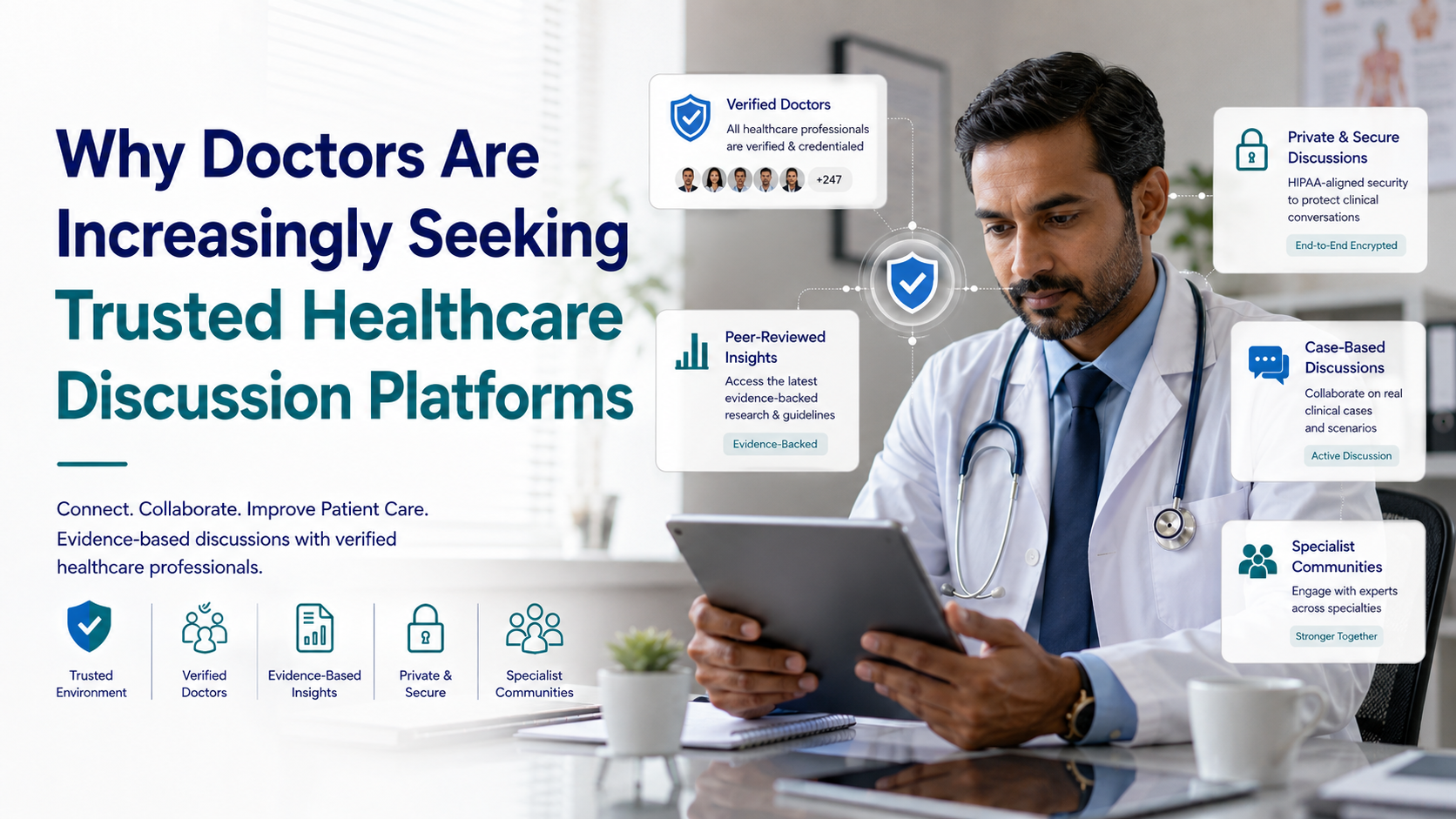
For physicians seeking clinically relevant, trustworthy, and industry-approved environments for sharing medical information, HealthCare Discussion Platforms are increasingly bec...
Healthcare is changing more rapidly than it has ever before. The practice of medicine is continually changing with breakthroughs in medical technology, new regulations, new trea...