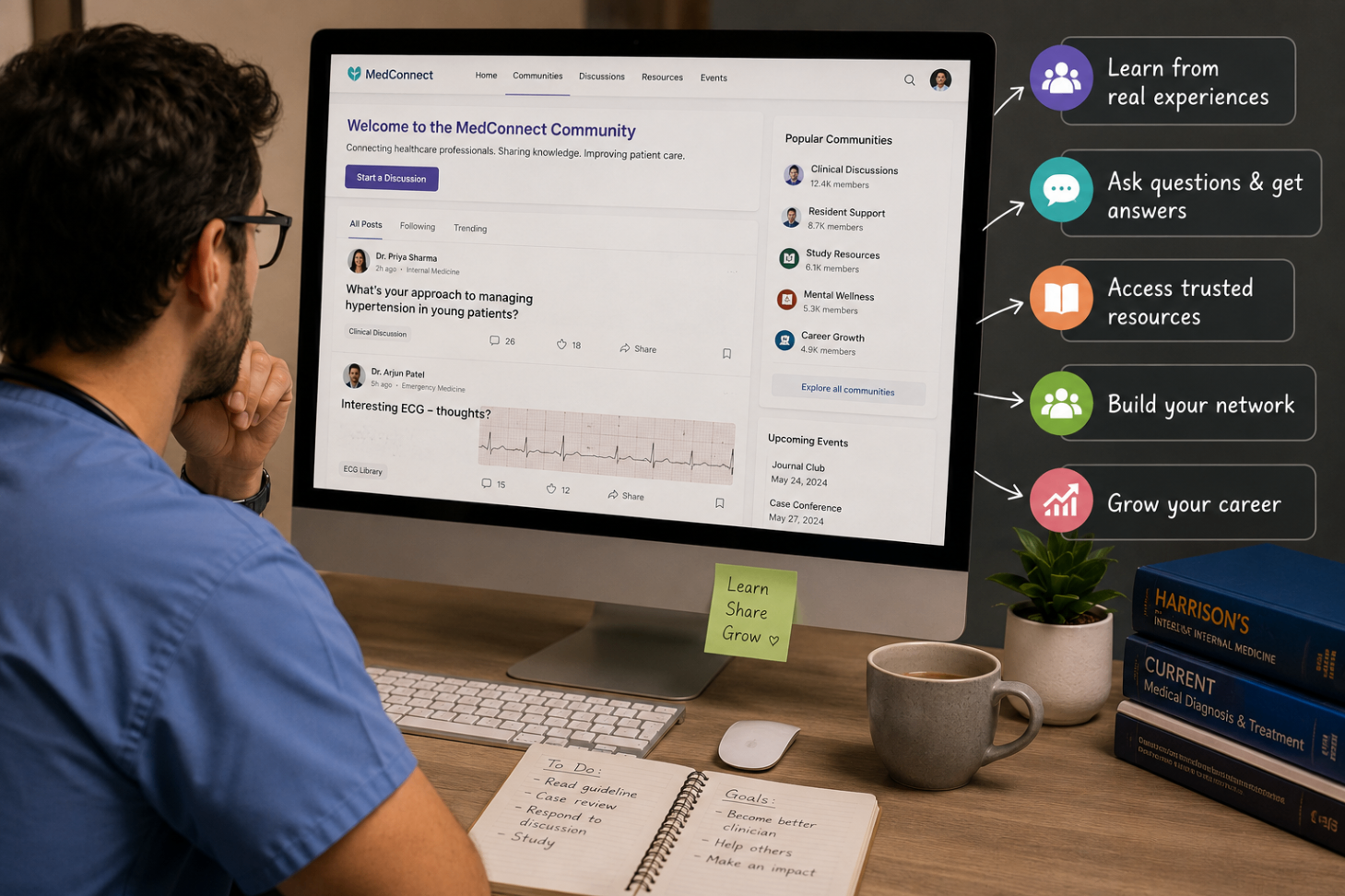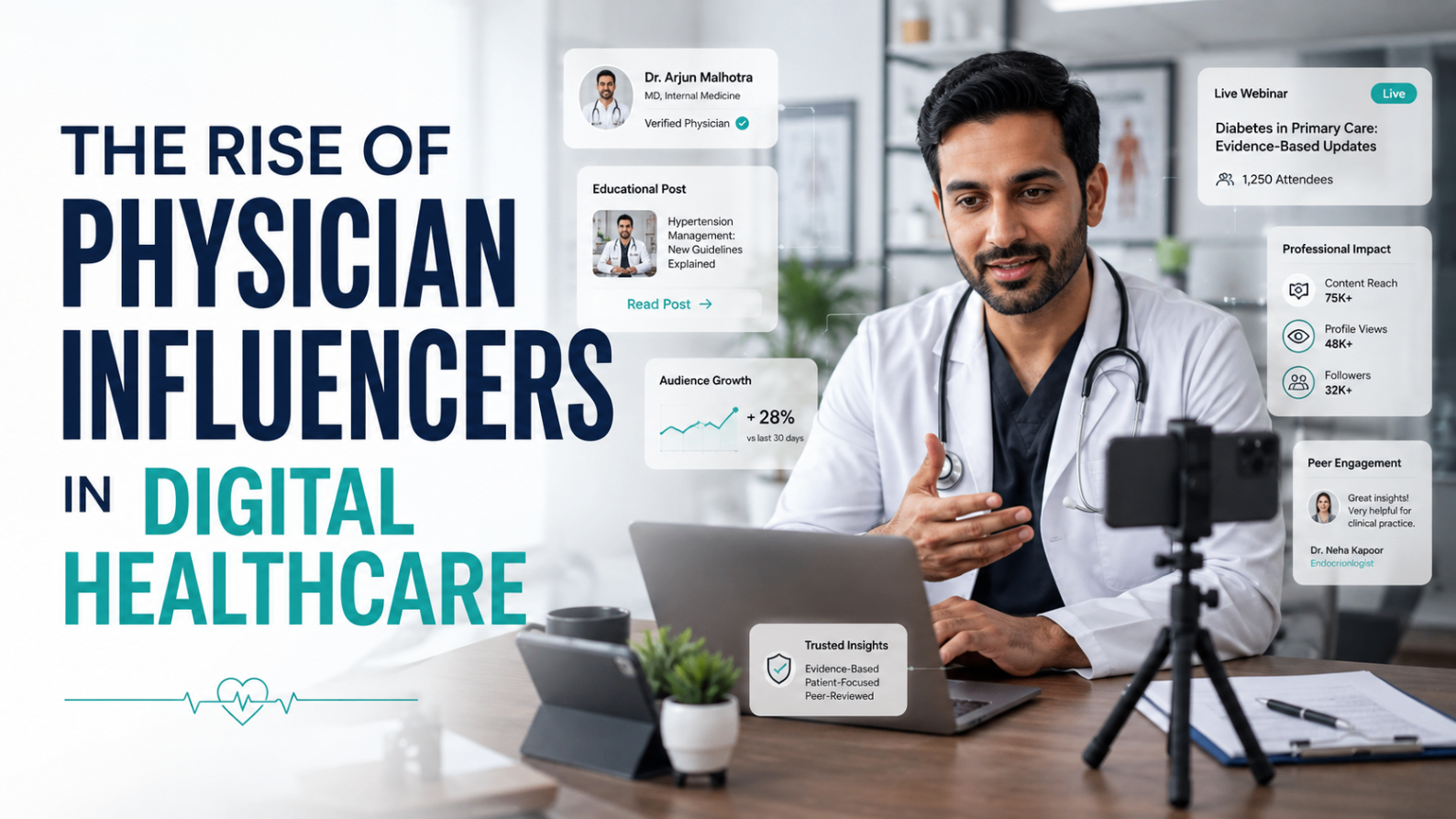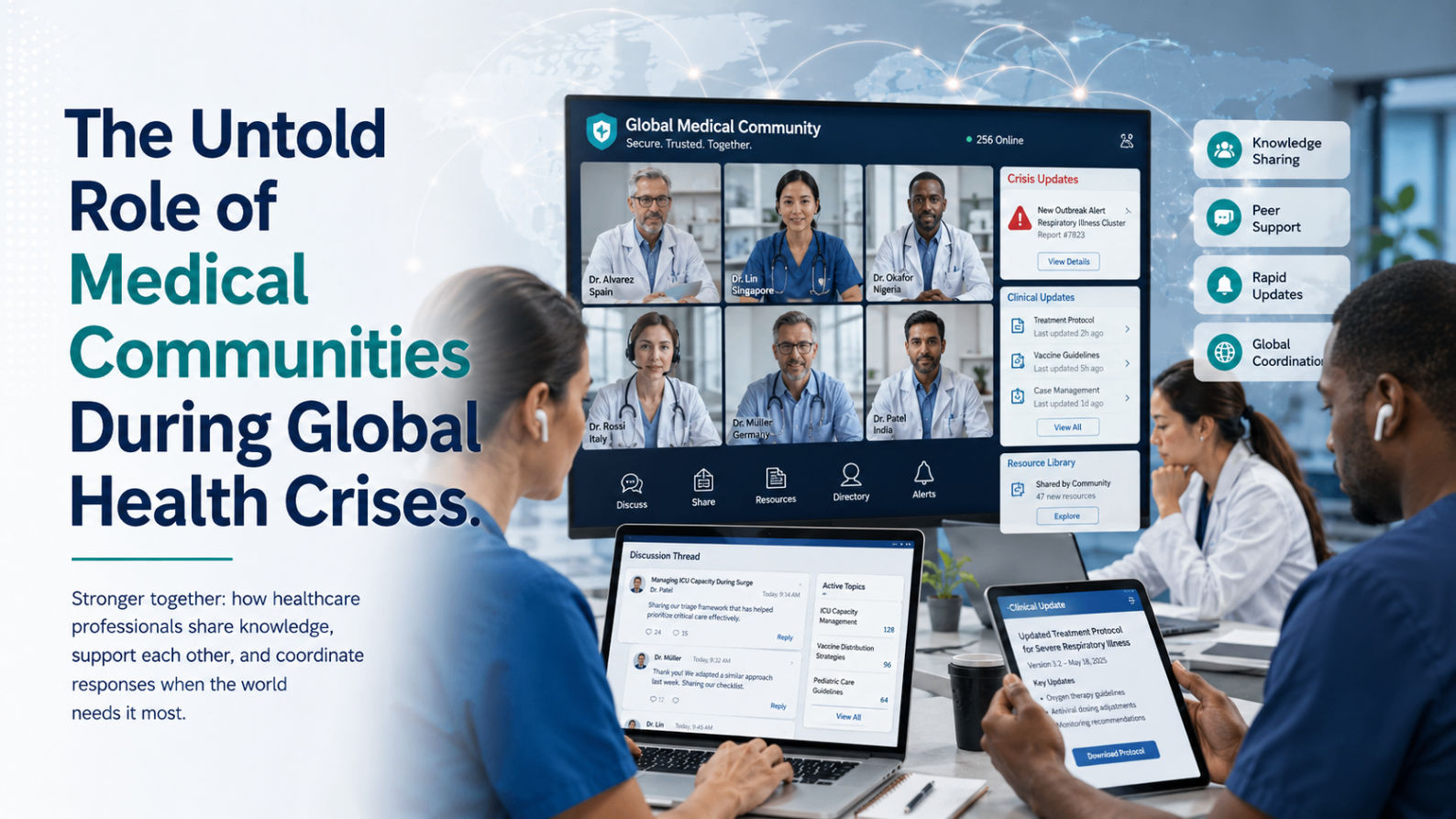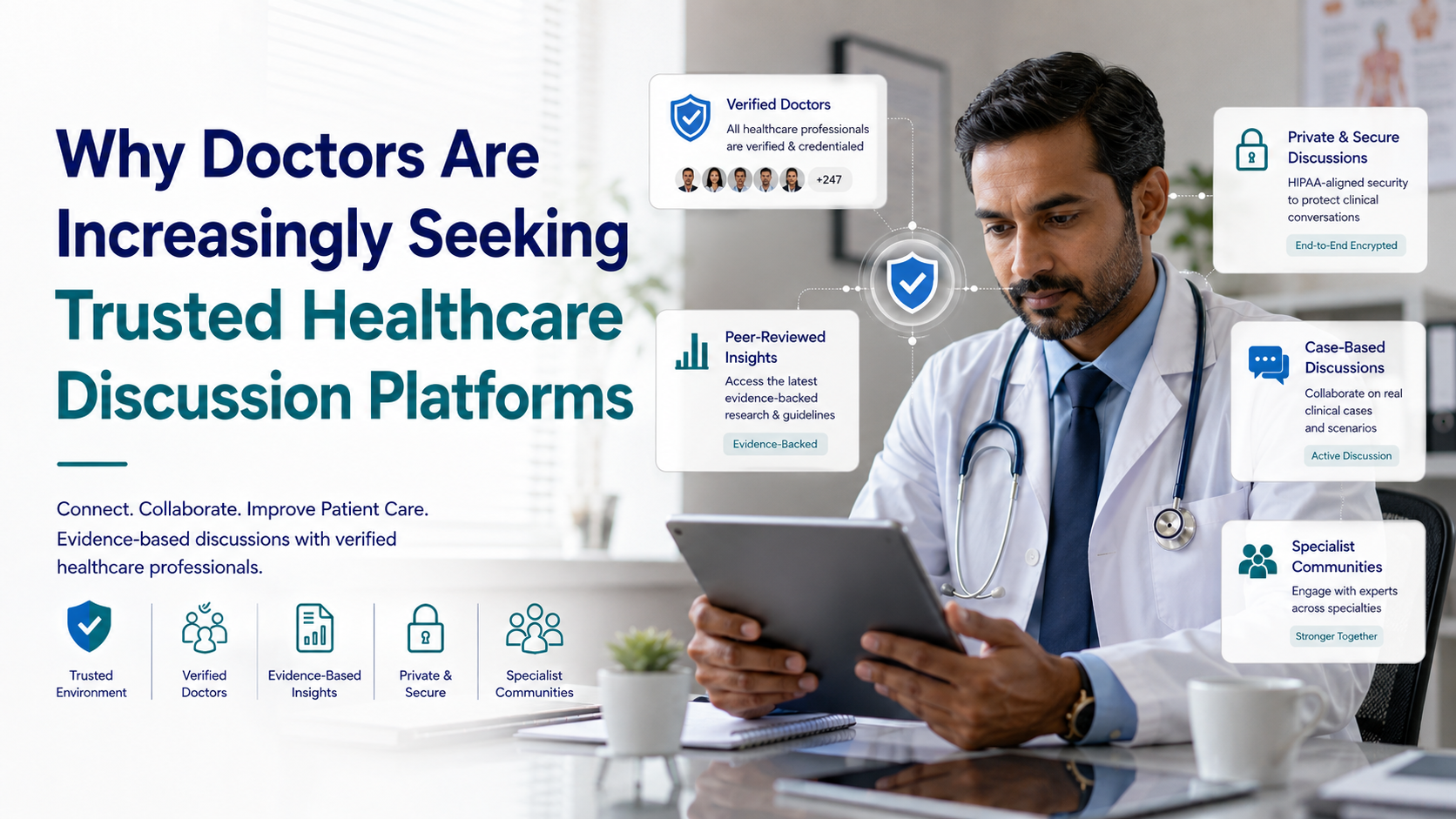
Since the beginning of the medical profession, doctors have influenced healthcare far beyond the examination room. They educate patients, lead teams, train other clinicians, help shape the cultures of their institutions, and explain complex medical information to the public. The scale has changed, but the fundamental role has not. Today, through Healthcare Platforms, doctors can extend that influence across professional networks, patient communities, digital health ecosystems, and industry conversations.
This shift matters because patients and healthcare professionals are increasingly learning, comparing, questioning, and connecting online. In 2026, the Pew Research Center found that 36% of U.S. adults accessed health information through social media platforms at least occasionally, while 22% reported using AI chatbots for health information. Pew also found that 40% of American adults obtained health and wellness information from social media influencers or podcasts.
For doctors, this represents both a responsibility and an opportunity. When credible medical voices are absent, other voices will fill the gap.
Healthcare Platforms have become a new form of infrastructure for professional visibility. By consistently offering value, sharing insight, and participating in conversations shaping the healthcare industry, doctors can strengthen not only their own credibility but also the credibility of the healthcare profession as a whole.
Professional influence is not the same as popularity. A physician’s influence is reflected in the degree to which they are trusted when clinical, operational, educational, and policy decisions are being made. It means that colleagues value their perspective, patients recognize them as a credible source, and organizations seek their expertise.
Traditionally, this influence was developed over time through hospital committees, academic publications, professional conferences, referrals, and word of mouth. Those channels remain important. However, Healthcare Platforms have added another layer.
Physicians can now share clinical knowledge, discuss healthcare trends, participate in specialty communities, attend digital events, mentor trainees, connect with innovators, and build professional reputations that extend across multiple institutions.
This is especially important during a time marked by medical misinformation, declining trust, and rapid digital transformation. By communicating clearly online, doctors can improve public understanding of healthcare professions and help rebuild confidence in medical expertise.
One of the greatest advantages of Healthcare Platforms is their ability to connect professionals beyond their immediate geographic areas. A hospitalist in Pennsylvania can communicate with a digital health entrepreneur in California, a cardiologist in London, a researcher in Toronto, or a medical student in Lahore.
These connections are no longer limited to formal conferences. They now take place through physician networks, health system creator communities, private discussion groups, webinars, newsletters, and specialty-focused websites.
The use of social media by healthcare professionals is not new. Its potential to support professional networking, public health communication, medical education, and awareness of new discoveries has long been recognized.
The key is active participation. Doctors who simply create profiles rarely build meaningful influence. Physicians become recognizable contributors by offering thoughtful comments, sharing practical insights, participating in discussions, and helping others.
Over time, Healthcare Platforms allow professional presence to develop into professional trust.

Doctors influence others by helping them understand what they know. This does not mean sharing private patient information or providing individualized medical advice online. It means translating medical knowledge into information that is useful, ethical, and accessible.
A doctor might explain why discharge planning affects hospital readmissions, how AI can create problems within clinical workflows, why patients should understand preventive screening, or why burnout is not merely an individual issue but a systemic challenge.
These insights help colleagues, patients, administrators, and innovators understand healthcare from a clinician’s perspective.
Knowledge sharing is most effective when it is practical. When physicians communicate with the public, they should avoid unnecessary jargon. When communicating with other professionals, they should provide appropriate detail and nuance.
Healthcare Platforms reward consistency and clarity. One useful post may generate attention, but a consistent body of useful content builds authority.
Healthcare communication has become more patient-centered, understandable, accessible, and human. Healthcare Platforms can help doctors provide general education, address common misconceptions, and direct patients toward evidence-based resources.
This type of engagement can build trust before a patient ever enters a clinic. A doctor who explains hypertension, diabetes, cancer screening, medication adherence, or hospital discharge instructions in plain language becomes more than a healthcare provider. The doctor becomes a trusted educator.
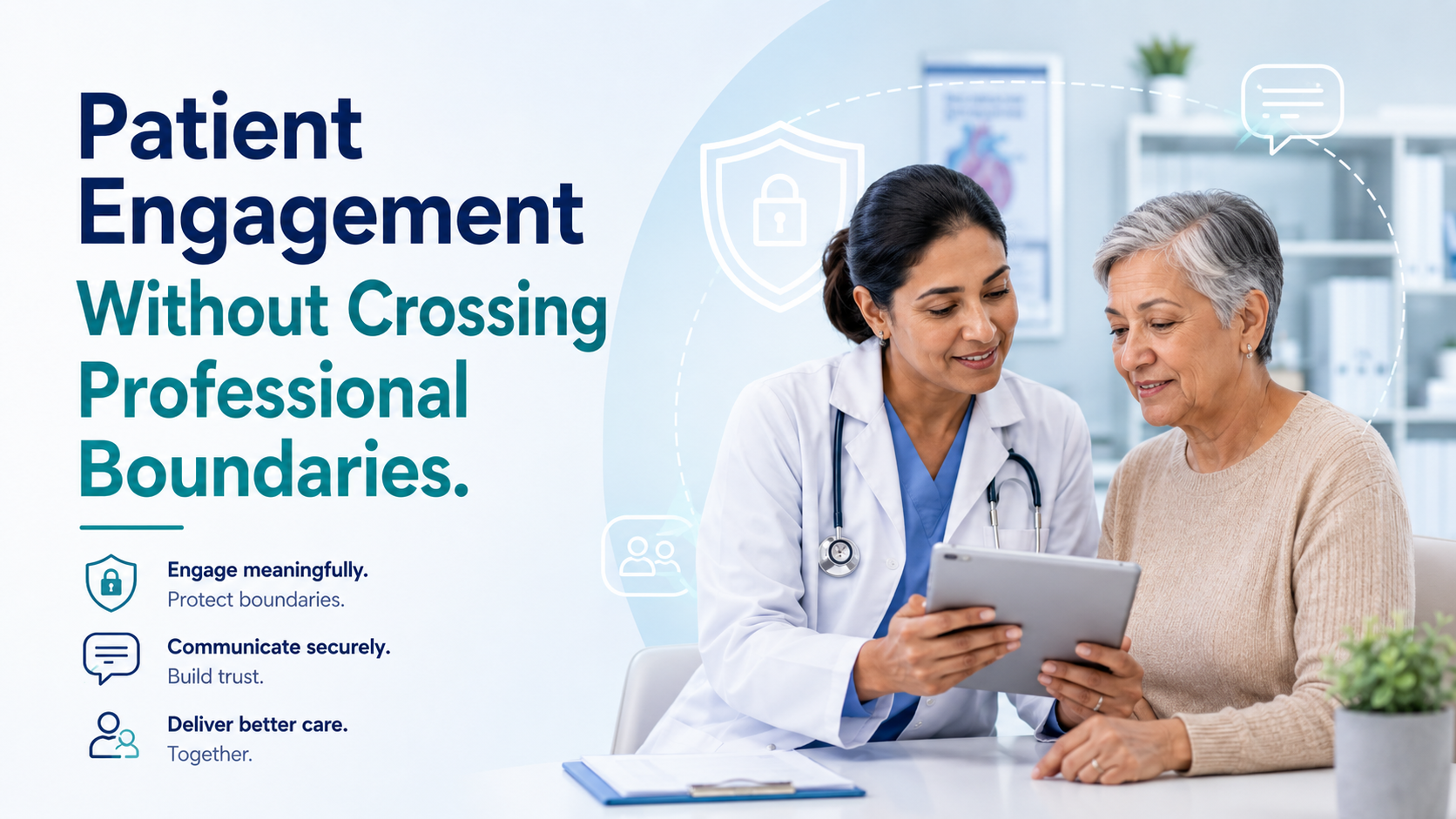
However, online patient engagement requires clear boundaries. The American Medical Association recommends that physicians protect patient privacy and confidentiality online and avoid publishing patient information without appropriate authorization. Medical organizations also encourage caution regarding direct patient communication, personal and professional boundaries, and documentation when electronic communication is used as part of patient care.
The best approach is to focus on general education, avoid potentially identifiable case details, include disclaimers when appropriate, and redirect individualized medical questions to appropriate clinical settings.
Digital visibility alone does not create credibility. In fact, a large following without clinical accuracy can damage trust.
Doctors build credibility on Healthcare Platforms by clearly presenting their qualifications, remaining within their areas of expertise, correcting misinformation responsibly, citing evidence when appropriate, and being transparent about uncertainty.
Credibility also develops through professional consistency. A physician who regularly discusses sepsis quality improvement, AI governance, women’s health, emergency medicine, or physician wellness gradually becomes associated with that area of expertise.
Over time, these professional associations can lead to invitations to participate in panels, podcasts, committees, advisory boards, media interviews, and collaborative projects.
A strong digital profile functions as a living professional portfolio. It can demonstrate qualities that a traditional résumé or CV may not fully capture, including how a doctor thinks, communicates, teaches, leads, and responds to change.
Healthcare careers are becoming increasingly multidimensional. Many physicians continue to practice clinically while also pursuing interests in education, entrepreneurship, informatics, consulting, advocacy, research, content creation, or leadership.
Healthcare Platforms make these hybrid professional roles more visible and attainable.
A physician interested in digital health can discuss workflow problems that need to be addressed. A clinician educator can publish teaching threads and short educational videos. A specialist can strengthen a referral network by sharing detailed information in an understandable format. A physician executive can use these platforms to communicate a vision, recruit talent, and shape organizational culture.
This matters because opportunities often follow visibility. People are more likely to involve professionals whose expertise they can find, understand, and trust.
Healthcare Platforms give doctors an opportunity to demonstrate their expertise before someone formally requests it.
The clearer, more consistent, and more credible a physician is, the more influence that physician can develop.
The first step is to choose a specific area of focus. A broad topic such as “healthcare” is less memorable than a defined area such as hospital medicine innovation, physician wellness, medical student mentorship, AI safety, rural healthcare access, oncology education, or women’s cardiovascular health.
Doctors should then select the right platform for the right purpose. LinkedIn may be well suited for professional networking and thought leadership. Short-form video can support patient education. Physician communities can encourage peer learning. Newsletters can help doctors build deeper relationships with specific audiences.
Healthcare Platforms are most effective when the platform, audience, and physician’s message are aligned.
A strong content strategy should balance education, practical advice, professional reflections, evidence-based articles, patient-friendly explanations, and conversation starters.
Doctors do not need to publish new content every day to build influence. They need to be dependable, consistent, and valuable.
The first mistake is confusing influence with attention. Rumors and sensational content may attract views, but once trust is damaged, it can be difficult to restore.
The second mistake is sharing too much clinical information. A patient story may still be identifiable even when the person’s name is not included.
The third mistake is making every post self-promotional. The most influential doctors teach, connect, and contribute before asking anything from their audiences.
Another common mistake is failing to understand the audience. Patients need information, reassurance, and clarity. Colleagues need nuance. Executives need insights connected to operations. Startups need an honest understanding of clinical workflow realities.
Healthcare Platforms allow doctors to communicate with many different audiences, but each audience requires a different approach.
As more content is produced with AI, authentic physician voices will become more valuable, not less.
Patients and healthcare professionals will need trusted individuals who can interpret evidence, communicate uncertainty, recognize gaps in available information, and bring clinical reality into digital conversations.
The future will not belong only to the loudest voices. It will belong to the most trusted ones.
Doctors who use Healthcare Platforms responsibly can influence public understanding, medical education, healthcare innovation, and patient trust.
Healthcare Platforms are changing how doctors establish professional influence. They allow healthcare professionals to connect with others beyond the walls of their clinics, share information effectively, engage with patients ethically, strengthen their credibility, and discover new professional and career opportunities.
Doctors should not simply aim to become better known. They should aim to become more useful, more trusted, and more connected.
As misinformation, technological disruption, burnout, and rapid change become increasingly common within healthcare, doctors who thoughtfully participate in digital spaces can become leaders rather than followers.
The physicians who make the greatest impact through Healthcare Platforms will not be those who attempt to follow every trend. They will be those who consistently bring clarity, credibility, and humanity to the spaces where healthcare conversations are taking place.
From the very beginning of medicine, it has been a community enterprise. The formal learning of young doctors long before the advent of digital platforms was through rounds, con...
Healthcare communication doesn't just occur in the clinic, hospital, medical conference, or the academic journal. It's ubiquitous on social media, podcasts, video platforms, new...
For physicians seeking clinically relevant, trustworthy, and industry-approved environments for sharing medical information, HealthCare Discussion Platforms are increasingly bec...