When it comes to public health emergencies, it has been proven time and time again that no one has an answer by themselves. Whether it's a disease outbreak, natural disaster, pandemic or humanitarian crisis, cooperation is one of the most powerful resources to help save lives and boost health systems. In these vital moments, Medical Communities are vital in bridging healthcare professionals, researchers, public health professionals, policymakers, and patients together, across geographic borders. Medical Communities enable fast communication, knowledge sharing and coordinated response, which helps to speed up solutions and outcomes when time is critical.
Medical Communities are strong networks that bring together healthcare stakeholders to a shared purpose — safeguarding a healthy population. In times of crisis, the rapid dissemination of information can make a key difference in patient outcomes and health care decision making. Healthcare professionals, including physicians, nurses, epidemiologists, researchers, and healthcare organisations, frequently use professional networks to share clinical insights, treatment strategies, new research studies, and operational insights.
Partnership strategies in healthcare delivery systems gained significant traction in recent times of global health emergencies. With new diseases appearing and fast-changing science, people in the healthcare field required the ability to access accurate information and fellowship. Medical Communities were created as areas where clinicians could share and discuss complex cases, share their experiences with clients on the front line, and, importantly, learn from other clinicians in their region and across different regions facing similar challenges.
In addition to being a source of information, these communities build trust and credibility. Healthcare professionals are more likely to embrace new recommendations and evidence-based practices when they are talked about and endorsed by trusted healthcare peers in the network. This shared knowledge helps to improve decision making and minimise uncertainty in fast changing environments.
Furthermore, Medical Communities can help build resilience in healthcare by providing opportunities for ongoing learning and adaptation. Healthcare practitioners can adapt strategies to changing circumstances, and learn from practitioners around the world in real time. This knowledge-sharing process enables healthcare systems to stay agile in the face of new threats, as well as uphold quality patient care.
Knowledge sharing among global healthcare stakeholders is one of the biggest benefits of global healthcare collaboration, and it can happen at a much faster pace. In a conventional health care setting, a research result or a clinical idea may take months or years to get out to the end-user. In times of public health crisis, however, these delays can have serious consequences.
Medical Communities are designed to fill this gap and provide real-time communications between healthcare professionals. Clinicians can share information on the fly through digital platforms, online forums, professional networks and virtual conferences. Doctors can share experiences with patients in another location and with other doctors and learn about patterns, symptoms and how to treat them even quicker than normal.
This quick exchange of knowledge also aids in evidence-based medicine. Researchers can share data and resources across institutions and countries and be better able to study new health threats. This partnership is frequently the reason why diagnostic tools, treatment protocols and public health measures are developed much quicker.
Clinical collaboration is not limited to research. Medical practitioners often consult colleagues for guidance and advice when faced with new situations and difficult patients. Medical Communities facilitate multi-disciplinary conversations with health experts from different disciplines, promoting better-informed and thorough decision making.
In addition, these networks promote professional development during crises. Healthcare professionals are kept abreast of changing best practices through educational webinars, expert panels and continuing medical education (CME) courses. Medical Communities allow providers to access up-to-date information and expert advice, helping them provide safe and effective patient care.
Public health emergencies do not always abide by national boundaries. Often, multiple areas are simultaneously affected by infectious diseases, environmental disasters and humanitarian crises, and international cooperation is a necessity. Medical Communities are playing an important role in global health preparedness by promoting collaboration in advance of emergencies.
The first step to preparedness is making relationships. These are networks of healthcare professionals that can mobilise more rapidly when crises occur. Information flow and resource coordination is streamlined and faster through existing communication channels, minimising delays in information flow and resource allocation.
Global healthcare networks also play a role in surveillance efforts. Clinicians and researchers are able to detect and report unusual disease patterns, identify emerging threats, and provide valuable data to public health officials. Early detection is a critical step that is important in preventing localized outbreaks from escalating into a public health emergency.
Another important advantage is that of sharing resources. In times of health emergencies, certain areas could face a shortage of medical resources, staff, or specialized skills. Medical Communities enable collaborations to create more effective resource distribution and help healthcare systems that are stressed.
In addition, these joint networks promote uniform emergency response. Sharing best practices, guidelines, and lessons learned allows healthcare organizations to implement successful strategies that boost efficiency and consistency. Standardization minimizes confusion and aids in providing quality care anywhere.
Medical Communities' combined power ultimately improves the health security of the world. A multi-faceted public health response, built through collaboration among healthcare professionals across borders, is more efficient, more resilient and able to tackle complex public health issues.
This is a lot of physical, emotional and mental stress on healthcare workers during a public health emergency. Stress and burnout, compassion fatigue, can occur with long hours, high volume of patients, uncertainty and exposure to traumatic situations. Medical Communities play an essential supporting role to front-line professionals during difficult times.
Peer support is one of the most valuable aspects of healthcare communities. Being able to share your experiences with others who can relate will help alleviate the sense of feeling alone and help enhance emotional health. It can be helpful to healthcare professionals to discuss experiences, share coping strategies and get encouragement from peers in similar situations.
Other professional networks can also provide good practical advice. In an emergency situation, frontline workers are often faced with new clinical crises and ever-shifting protocols. Clinicians can find this support in the form of expert advice and shared experiences, helping them feel more confident in their decisions when they are facing uncertainty.
Medical Communities are increasingly playing a mental health function. Organizations and professional associations now provide wellness programs, counseling services and education on how to deal with the burnout of healthcare workers. These resources enhance the sustainability of the workforce and help ensure continued quality patient care during extended crises.
In addition, Medical Communities support the healthcare profession by raising issues of the workforce and fostering policies that will create better working conditions. These networks amplify the voice of clinicians to contribute to improvements in healthcare systems and emergency preparedness work.
Healthcare workers who feel supported, informed and connected are better prepared to deliver compassionate, effective care to the patient and the community during a crisis.
Technology has revolutionized the way healthcare professionals communicate and work together. Thanks to digital platforms, Medical Communities reach and impact has increased and is more accessible than ever before, allowing for global collaboration.
Professional networks online enable health care workers to communicate with each other from all over the globe, join in with discussions and access educational materials from anywhere. Virtual conferences and webinars remove the limitations of space and time, allowing for the dissemination of knowledge in real-time to audiences worldwide.
Healthcare-focused social networking sites have also enhanced the ability to collaborate by providing forums for doctors, scientists, and health officials to share knowledge and establish professional connections. These digital communities can enable ongoing learning and quickly share vital health care information.
Additionally, Artificial Intelligence, data analytics, and digital health technologies are improving Medical Communities' capabilities. There are tools available that can be used to help identify trends, analyze huge amounts of data and evidence-based decision making. Healthcare professionals can leverage human expertise and technological innovation to better prepare for new public health challenges.
Digital technologies will be even more deeply entrenched in healthcare collaboration of the future. Medical Communities will be able to better coordinate response, share knowledge and connect with experts during emergencies, as the tools for communication continue to evolve.
Medical Communities is most helpful when there's uncertainty and crisis. These networks are designed to enhance healthcare systems, allowing for quick knowledge exchange, clinical collaboration, and providing support to frontline staff and global health preparedness. As the world becomes increasingly connected, effective responses to public health emergencies require collaboration amongst healthcare workers across institutions, disciplines and borders.
Medical Communities will become increasingly important as healthcare challenges go on changing. The healthcare sector can create more resilient systems that safeguard communities and enhance health outcomes during future public health crises, through investments in professional networks, in digital collaboration platforms, and in global partnerships. In essence, the collaborative knowledge, empathy, and collaboration of Medical Communities are one of the strongest assets in the fight to protect public health across the globe.
Social media is no longer just a place where healthcare practices announce new office hours or post a photo on National Nurses Week. For many patients, it has become part ...
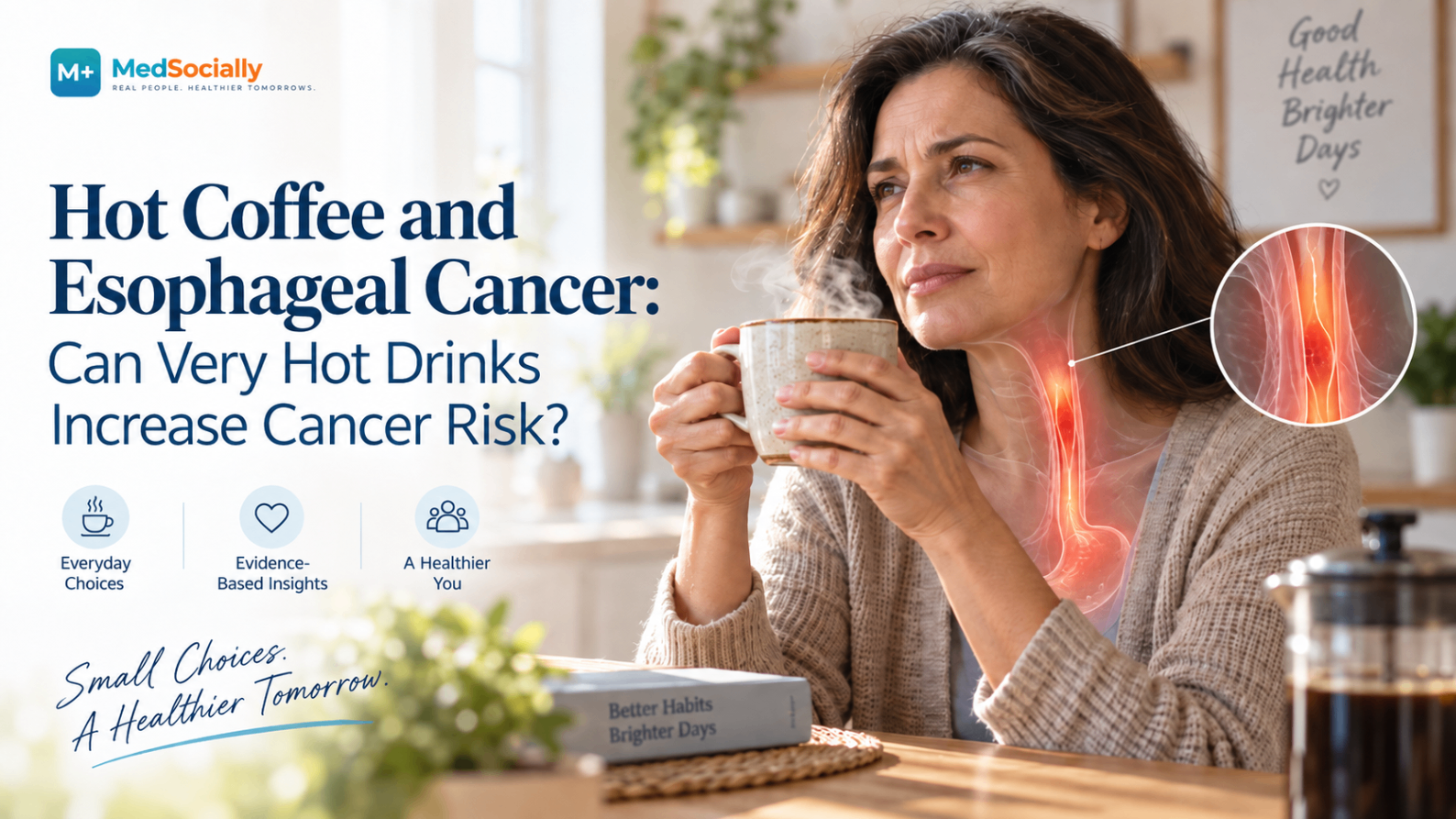
For millions of people, coffee is part of the daily routine. It starts the morning, fills the gap between meetings and often provides a small moment of comfort during a busy day...